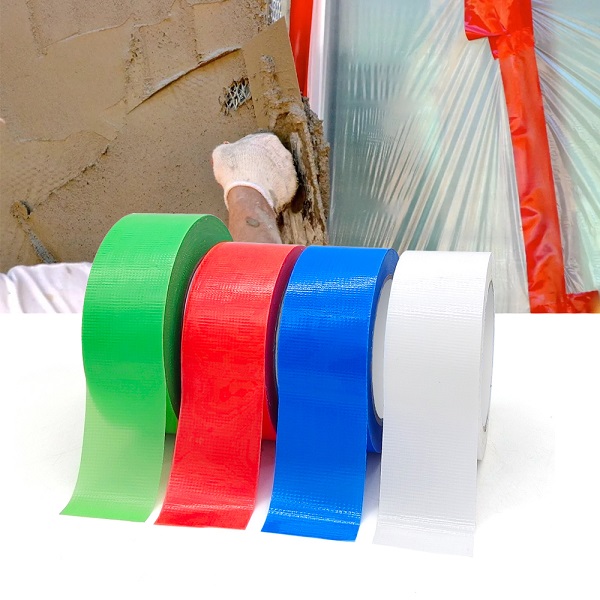
Masking Tape Helps Painters Achieve Flawless Finishes

2024-07-09
Masking Tape Helps Painters Achieve Flawless Finishes
If you've ever tried to paint a room, you know how challenging it can be to achieve clean, crisp lines where different colors meet. However, professional painters have a little secret weapon in their arsenal that helps them achieve flawless finishes: masking tape.
Masking tape is a type of adhesive tape that is used to cover surfaces or areas that should not be painted. It comes in different widths, and it's a breeze to put on and take off without leaving any sticky mess When used correctly, masking tape will help painters create sharp lines and prevent paint from bleeding onto adjacent surfaces.
One of the benefits of using masking tape is that it helps painters to work more efficiently. Instead of painstakingly cutting in with a brush along the edges of walls, ceilings, or trim, painters can simply apply masking tape to define the boundaries of where they want the paint to go. This makes the job a whole lot easier and gives you a cleaner, more polished look.
In addition to creating clean lines, masking tape can also be used to create interesting patterns and designs on walls. Painters can easily make all sorts of designs, like geometric shapes and stripes, just by putting down some strips of tape. Once the paint is dry, the tape can be removed to reveal the crisp, precise lines underneath.
When using masking tape, You gotta pick the right type for the job. There are different types of masking tape for different jobs. For example, delicate surface masking tape is ideal for use on freshly painted walls, wallpaper, or other delicate surfaces, as it can be removed without causing damage. On the other hand, high-adhesion masking tape is better suited for rough or uneven surfaces where a stronger bond is needed to prevent paint bleed.
To achieve the best results with masking tape, there are a few tricks you gotta know. First, make sure the surface is clean and dry before applying the tape to ensure proper adhesion. It's also important to press down firmly on the edges of the tape to create a tight seal and prevent paint from seeping underneath. When removing the tape, it's best to do so at a 45-degree angle to avoid tearing or lifting the paint.
While masking tape is a valuable tool for achieving flawless finishes, it's not without its limitations. In some cases, paint may still bleed under the tape, especially if the surface is uneven or textured. To minimize this risk, painters can use a technique called "back painting," which involves applying a coat of the base color over the edges of the tape to seal it before applying the final coat.
In conclusion, masking tape is an indispensable ally for painters looking to achieve flawless finishes. Whether creating clean lines, intricate designs, or decorative effects, masking tape offers a simple yet effective way to elevate the quality of a paint job. By choosing the right tape for the job and following best practices for application and removal, painters can unlock the full potential of this humble yet powerful tool.
 Blue Painters Tape
 Automotive Green Masking Tape
 Pe Stucco Tape