The Principles Behind the Strength: Exploring Bidirectional Filament Tape
2024-05-17
The Principles Behind the Strength: Exploring Bidirectional Filament Tape
Bidirectional filament tape has a wide range of apps - from securing packages and shipments to aiding in manufacturing and construction processes. You'll find it popping up just about everywhere these days. But what makes bidirectional filament tape so strong and how does it work? Below we'll explore the principles of bidirectional filament tape. Learning how it has become an important tool in many industries.
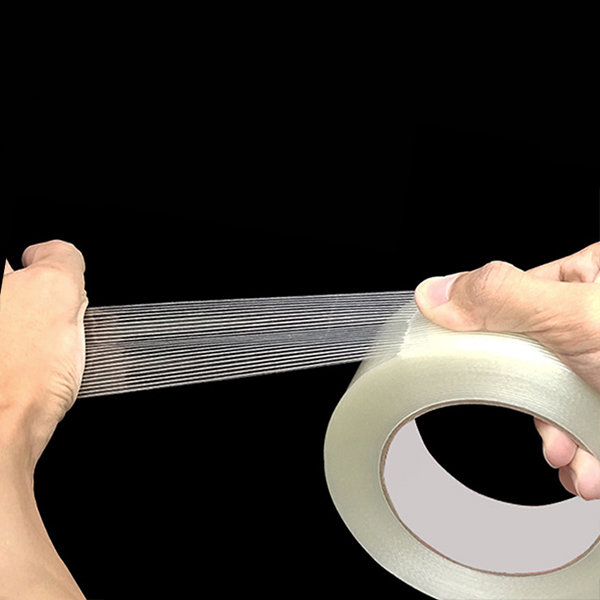
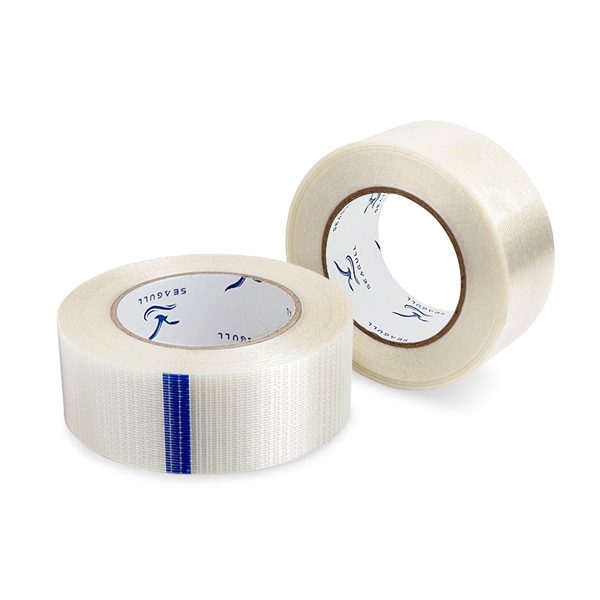
At its core, bidirectional filament tape is a type of pressure-sensitive tape that is reinforced with fiberglass filaments. The filaments are embedded in the tape in crisscross pattern. This creates a grid structure that provides exceptional strength and stretch resistance. The way this tape is designed helps it distribute the pressure and strain evenly across the surface. Making it excellent for securing heavy items and reinforcing weak areas.
- One of the key factors affecting the strength of bidirectional filament tape is its resist to both longitudinal and transverse forces. Unlike traditional tapes that are designed to resist forces in only one direction, bidirectional filament tape can withstand stress from multiple directions, making it incredibly versatile and reliable. This bidirectional strength is particularly important in situations where the tape may be subject to shifting or uneven forces, such as during transportation, handling.
- In addition to its bidirectional strength, bidirectional filament tape also offers excellent adhesion. The pressure-sensitive adhesive used on this tape forms a strong bond with various surfaces, so it stays put even in the most extreme conditions. This sticking power is a crucial for any application where you need a bond that's rock-solid and built to last - like in construction work or manufacturing.
- Another important thing about bidirectional filament tape is that it's super resistant to moisture and all sorts of environments. The fiberglass in it acts as a shield, keeping the tape from water, chemicals, and UV radiation. That means you can actually use this tape outside, and it's still gonna hold up strong and keep its integrity, even in really tough conditions.
Its unique combination of strength, adhesion and resistance to environmental factors contributes to the superior performance of bidirectional filament tape. That's why it's become such an important tool across so many different industries - the tape is just so versatile and reliable. The workers love using this stuff to reinforce boxes and pallets - it gives an extra layer of protection when they're doing all the packaging and shipping. And over in construction and manufacturing, they swear by this tape too. They use it for bundling up materials, sealing up seams, and reinforcing joints - all of that helps improve the overall structural integrity of just about every product and component they work on.
By learning about the different properties of various materials, the engineers are able to come up with products that are just amazingly strong and versatile. And as they keep developing new specific applications for this stuff, they're able to tweak the properties of the bidirectional filament tapes by using different materials - all to make sure it meets the actual needs of each situation. It's exciting to think about where this tape could end up being used next, and we can look forward to seeing it come into play in even more areas in the years ahead.